November 6, 2026
Every year, maintaining the health and safety of the trees on your property is crucial. Whether it involves pruning, pest control, or complete removal, there's a wide array of services that can contribute to the longevity and beauty of your landscape. Here are three essential tree services you should consider this year.
1. Tree Pruning and Trimming
Definition and Importance
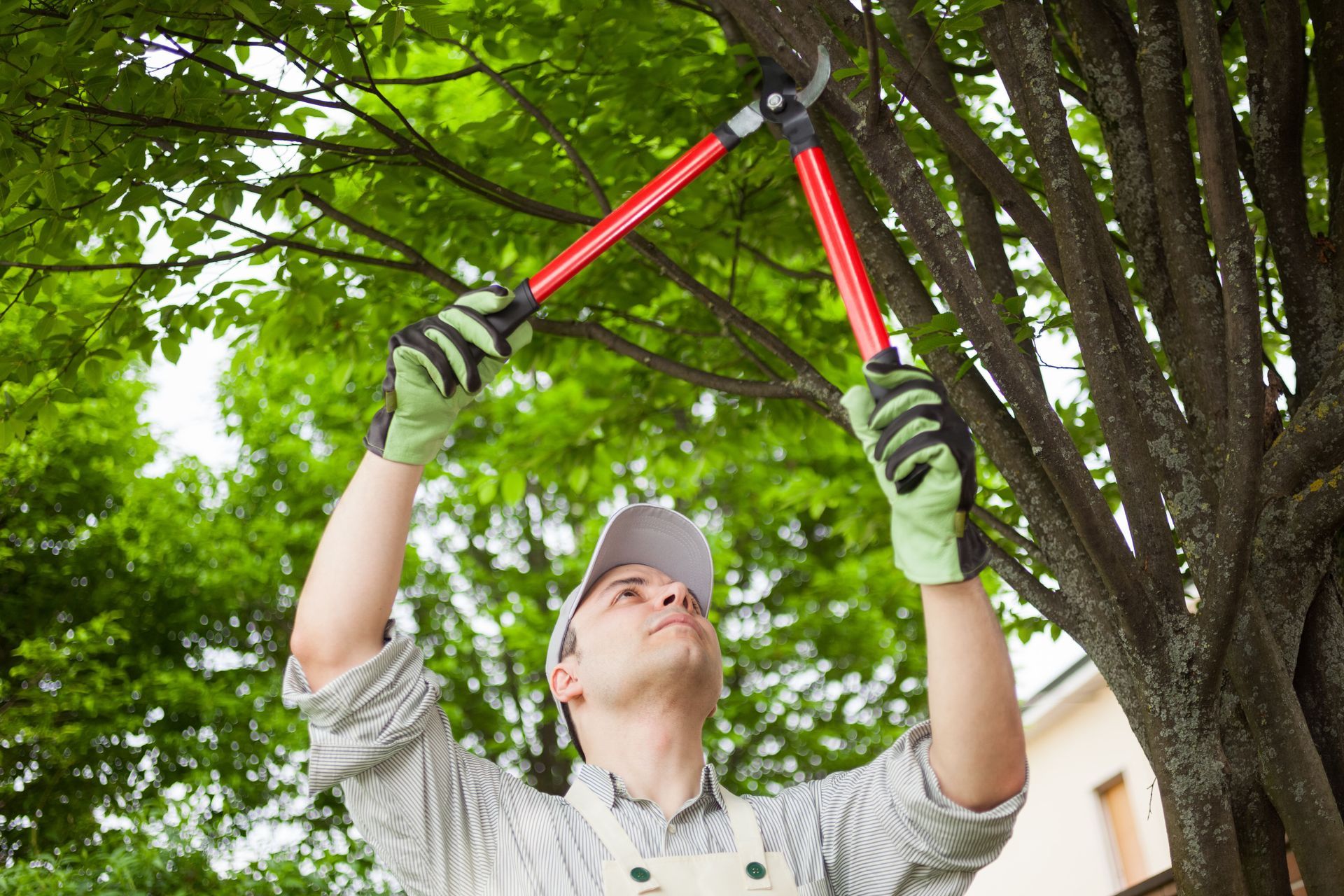
Pruning and trimming are vital tree care processes that help maintain and enhance tree health and appearance. By removing dead or diseased branches, you not only improve the overall structure and safety but also encourage new, healthy growth. Regular pruning can significantly extend a tree's life by preventing the spread of diseases and ensuring balanced weight distribution. It's an attribute of proactive property management, showcasing a dedication to both safety and aesthetics. As every tree species reacts differently, working with an experienced
landscaper is essential for navigating these nuances and achieving optimal results.
Techniques for Different Tree Species
Each tree species has unique growth habits and requirements, dictating the appropriate pruning technique. Evergreen trees, for example, require different attention than deciduous ones due to their growth patterns. Fruit trees benefit from specialized pruning to maximize yield while maintaining structural integrity. A knowledgeable landscaper understands how to apply the right technique to optimize tree health and productivity, tremendously impacting longevity and contributing to the landscape's flourishing panorama.
Seasonal Pruning Best Practices
Scheduling pruning at the optimal time of year is crucial, as it influences the tree's recovery and growth spurts. For most species, late winter to early spring is ideal when the tree is dormant, and energy stores are high. However, some species, like certain flowering trees, require post-bloom pruning to prevent disruption in flowering cycles. These best practices ensure trees are at their healthiest, reducing the risk of pests and diseases. Such scheduled care reflects meticulous planning, an investment that pays dividends in resilience and beauty.
Tools and Equipment Needed
Effective pruning requires the right set of tools, including hand pruners, loppers, and pruning saws, each designated for specific branch sizes. High branches might necessitate pole saws, while safety gear protects during elevated work. The emergence of cordless tools has revolutionized pruning, providing lightweight, efficient alternatives. Maintenance of these tools is critical; sharp, clean blades mitigate the risk of harming the tree. Proper investment in essential equipment ensures precise, effective pruning efforts.
Hiring Professionals vs. DIY
Deciding between professional services and do-it-yourself approaches weighs factors like skill, safety, and scale of work. A professional landscaper offers the expertise and efficiency required to handle complex projects with minimal tree stress. Balancing cost against potential damage and results guides this choice. According to This Old House, the typical household invested $616 in lawn and gardening activities in 2022, highlighting the financial consideration in decision-making. Opting for professionals is always the smarter decision, as you'll often save on long-term costs resulting from mistakes or improper tree care.
2. Tree Health Assessment
Identifying Common Diseases
A thorough health assessment is the first step in diagnosing tree problems, identifying common diseases such as mildew, anthracnose, or fire blight. Early detection is key to preventing the spread and minimizing impact. Indicators like discolored foliage, unusual growth patterns, or visible fungal structures necessitate prompt treatment. Regular inspections contribute to early intervention, averting long-term damage. Knowledge of prevalent diseases in your area aids in preparation and effective management.
Soil Testing and Management
The underlying health of trees is often determined by soil conditions, as soil provides essential nutrients and support. Testing can reveal imbalances in pH levels, nutrient deficiencies, or compaction issues, directly influencing tree vitality. A dedicated landscaper can implement corrective measures such as soil amendments, aeration, or drainage improvements to nurture stronger, healthier trees. A comprehensive approach considers the interplay between soil properties and tree needs. Proactive soil management establishes a foundation for robust growth.
Pest and Insect Control
Pest management is crucial, as insects like aphids, caterpillars, or borers can weaken and even kill trees if not controlled. Integrated Pest Management (IPM) offers a strategic approach, combining biological, cultural, physical, and chemical tools. Routine monitoring by an attentive landscaper identifies emerging issues early, allowing for timely interventions. Beneficial insects and organic treatments reduce reliance on harmful chemicals, promoting ecological balance. Effective pest control strengthens trees, ensuring long-term health and resilience.
Implementing Disease Prevention Methods
Prevention is often more effective and less costly than treatment when it comes to tree diseases. Proper irrigation, appropriate fertilization, and optimal placement reduce susceptibility to diseases. Enlisting a proactive landscaper to implement hygiene practices, like removing diseased wood and disposing of fallen leaves, minimizes sources of infection. Using disease-resistant species caters to resilience against regional threats. Preventative measures substantially decrease future health risks.
When to Call an Arborist
While homeowners capably handle minor issues, complex problems often require an arborist's expertise. Complicated diagnostics, advanced treatments, and insurance claims benefit from professional insights and interventions. Arborists provide invaluable data on tree health, guiding informed decision-making. Hiring certified professionals ensures safety and precise resolutions. Understanding the boundaries of DIY efforts assists in selecting the right moment for expert consultation.
3. Tree Removal
Assessing the Need for Removal
Tree removal is a critical decision, often necessitated by irreversible disease, storm damage, or safety hazards. A thorough assessment by an experienced landscaper evaluates structural integrity, potential recovery, and the tree's broader role in the surroundings. Dead trees or those exhibiting severe issues likely require removal. Consideration of ecological impacts and available alternatives shapes this resolution. Thoughtful deliberation balances necessity against the desire for conservation.
Safety Precautions
Safety is paramount in tree removal, reducing risks to personnel, property, and bystanders. Employing proper gear, such as helmets and harnesses, safeguards against injuries from falling branches or debris. Well-rehearsed procedures, including establishing clearances and understanding fall trajectories, prevent accidents. Communication among team members enhances response speed to unforeseen events. Safety-focused approaches ensure humane, effective removal practices.
Techniques for Safe Removal
Various removal techniques cater to specific circumstances, with choices influenced by size, location, and surroundings. Climbing and sectioning-off is effective in confined spaces, while crane-assisted methods suit larger specimens. Mechanical felling employs precise cuts for predictable fall direction. Professional removal contrasts DIY attempts, offering efficiency and compliance with safety standards. Selecting the right technique mitigates risks, ensuring successful outcomes.
Stump Removal and Grinding
Post-removal, dealing with stumps addresses aesthetic, safety, and space concerns. Grinding transforms stumps into mulch, facilitating easier landscaping. Complete removal may require excavation, depending on future site plans. Technical considerations include root spread, soil conditions, and stump size. Collaborating with a skilled landscaper to manage post-removal cleanup enhances property aesthetics and prepares the site for subsequent projects.
Environmental Considerations
Conscious removal respects environmental factors, acknowledging trees' roles in ecosystems. Potential impacts prompt careful inspection of nearby habitats and dependencies. Mulching, replanting, and utilizing wood debris mitigate negative outcomes, promoting environmental stewardship. Decisions prioritize conservation, reflecting ecological awareness and commitment to responsible practices. Balancing functional needs with ethical responsibilities underscores tree management.
Maintaining the vitality, safety, and aesthetic beauty of your property requires a balanced, proactive approach to tree care throughout the year. From routine pruning and seasonal soil management to timely health assessments and careful removal when hazards arise, each service plays an integral role in sustaining a resilient landscape. Prioritizing preventative maintenance not only protects your home from unexpected storm damage and falling limbs, but it also preserves mature canopies that enhance environmental health and overall property value. By monitoring your trees closely and enlisting certified specialists for complex interventions, you can ensure your outdoor environment remains safe, vibrant, and flourishing for seasons to come—contact Coaches Outdoor Services today to schedule your professional tree care assessment.